You already met Xana a few years ago; now meet Xilin, PNSO’s new and improved take on Wuerhosaurus!
Really liking those bold blue streaks on Xilin’s plates, an excellent touch! PNSO really does excel at stegosaurs in particular.

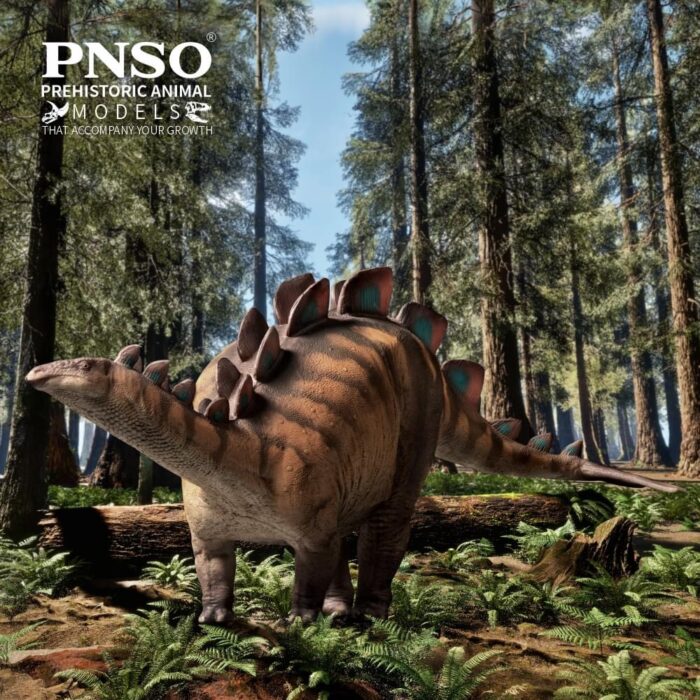
You already met Xana a few years ago; now meet Xilin, PNSO’s new and improved take on Wuerhosaurus!
Really liking those bold blue streaks on Xilin’s plates, an excellent touch! PNSO really does excel at stegosaurs in particular.
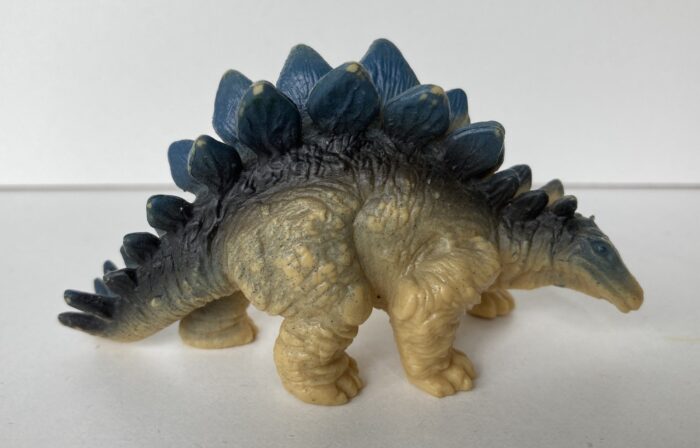
If we were handing out awards for ‘chonkiest Stegosaurus toys’ this one would surely be in the running. When I first embarked on this review I had assumed it would be a simple matter of specifying this as the Bullyland ‘mini’ Stegosaurus, but I quickly realised it isn’t that simple.
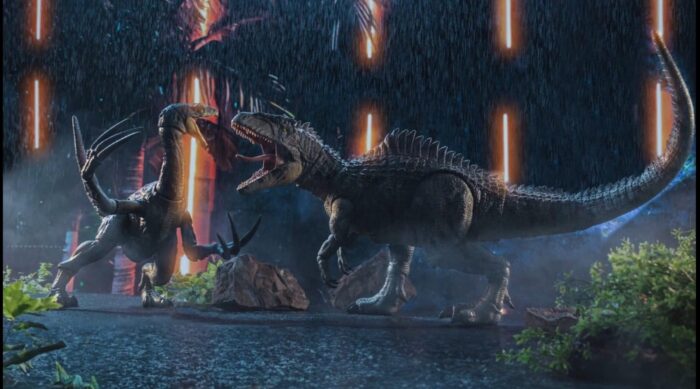
Two new Hammond Collection toys have been revealed, both creatures from Jurassic World: Dominion. First is the Giganotosaurus.
As you can see, this toy features some heavy articulation, including a jointed tongue and a flexible tail.
And the second new addition is the Therizinosaurus.
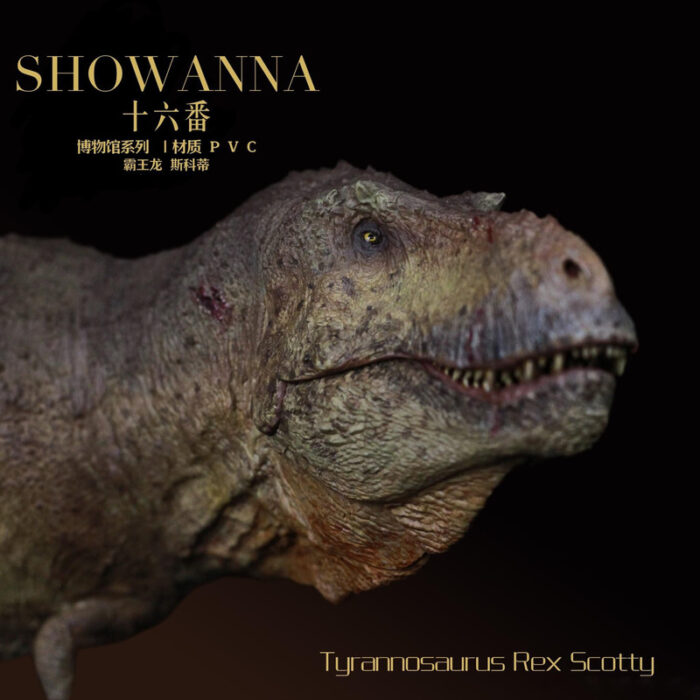
Showanna has revealed their upcoming 1:35 scale PVC model of RSM P2523.8, better known as “Scotty,” presently the biggest Tyrannosaurus rex specimen to have been formally described (there are other fragmentary specimens which could be even larger).
Beautifully sculpted, big and beefy-looking, dotted with battle scars, and boasting an articulated lower jaw, Scotty looks every part the undisputed sovereign of their world.
Review and photos by Torvosaurus, edited by Suspsy
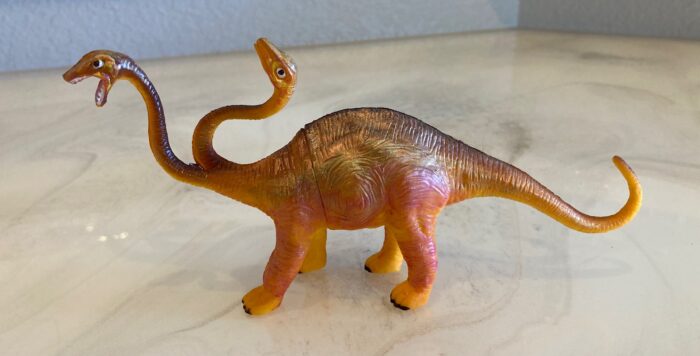
Howdy from wonderful, windy Wyoming! Today we’ll take a (satirical) look at Bicaputosaurus ivani, sculpted by an unknown artist.
For the first time, a national big box department store steps to the front, ahead of offerings by typical dinosaur manufacturers, offering this rare dinosaur to any discriminating collector.
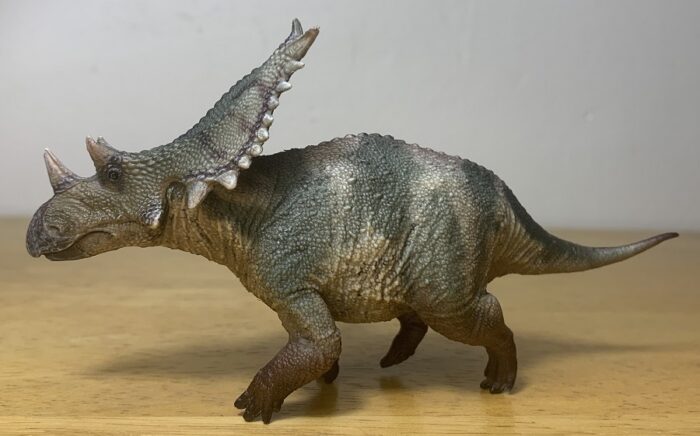
Haolonggood has once again given us another high demand dinosaur that’s been mostly ignored by other toy companies. In doing so, they’ve helped me complete my decade long quest to own my favorite ceratopsids: Pachyrhinosaurus, Nasutoceratops, Einiosaurus, Centrosaurus, Pentaceratops and now finally, Chasmosaurus.
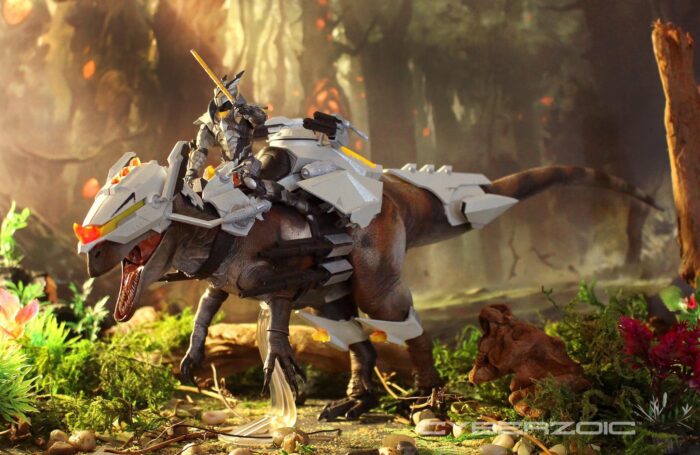
Creative Beast Studio has recently released a number of tantilizing images for Beasts of the Mesozoic and Cyberzoic. First up are in-package shots of the Achillobator and Utahraptor.
The packaging artwork is nothing short of superb as always.
And here are catalog shots for the Allosaurus jimmadseni, with and without its Tech Clan armour and pilot.
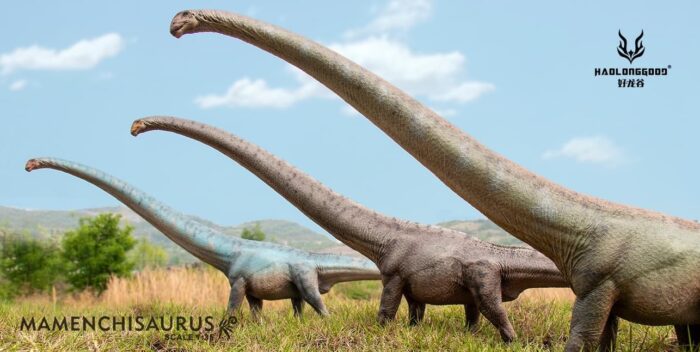
Make way for the monumental Mamenchisaurus, all three of them! Yes, as with their Alamosaurus, Haolonggood is offering another trio of titans.
I definitely like the blue version best myself.
But be warned, just one of these behemoths will set you back a bundle of money and a heap of display space!
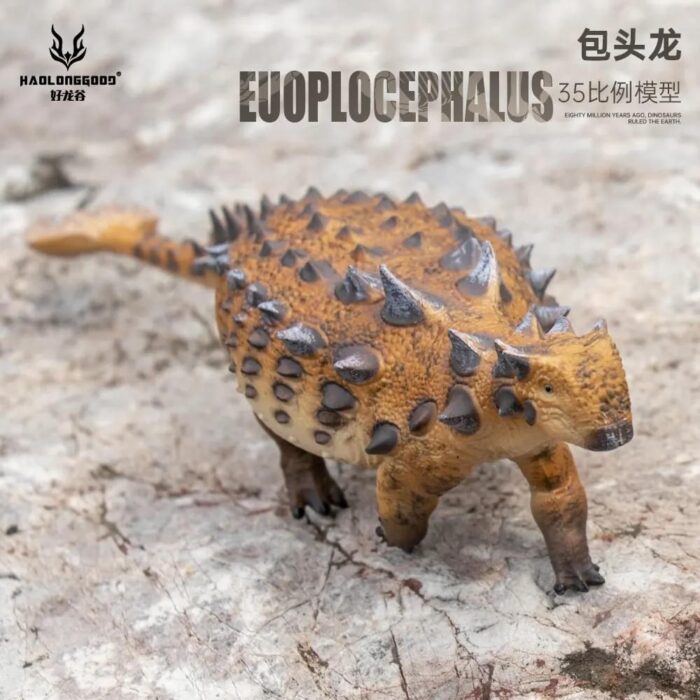
We now have our first officially revealed figure from that wonderful teaser poster that Haolonggood dropped earlier this month and it’s none other than the formidable ankylosaurid Euoplocephalus!
Old timers will recall that Euoplocephalus had a fairly decent number of toys back during the 80s and 90s, but then that well dried up—until now.
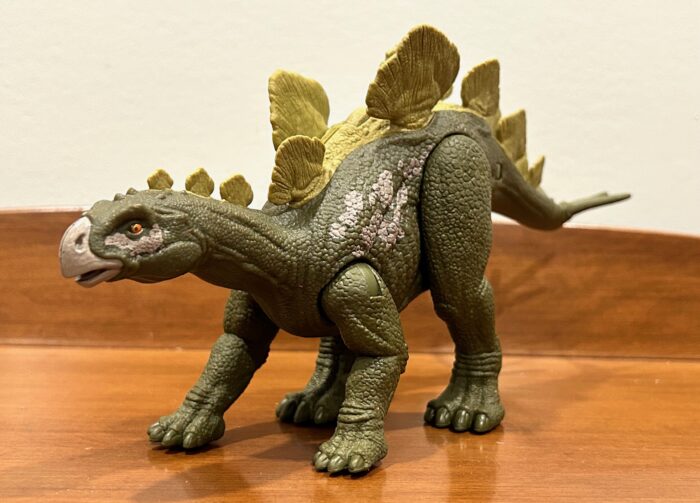
Pop quiz: which Upper Jurassic dinosaur from the famous Morrison Formation of North America had two rows of large plates on its back and four long spikes on its tail? I reckon the majority of respondents would immediately say that the answer is Stegosaurus, and of course, they wouldn’t be wrong.
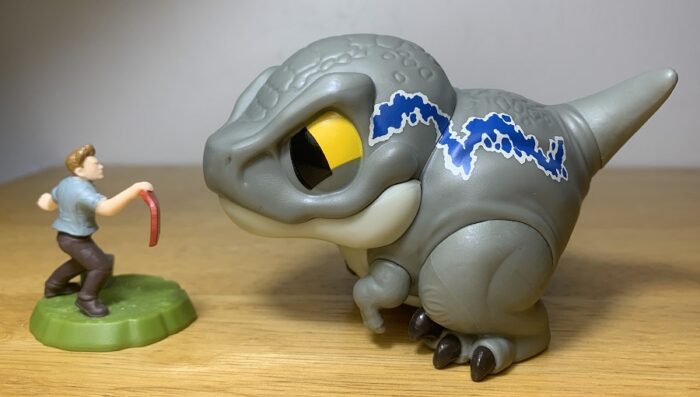
It’s Blue the Velociraptor, as you’ve never seen her before! Mattel has taken the sleek, aerodynamic, and menacing Jurassic World Velociraptor design and flipped it on its head. What we have here is a version of Blue that has embraced domestication and spends her days lounging around Owen’s cabin, chowing down on dino-kibble.
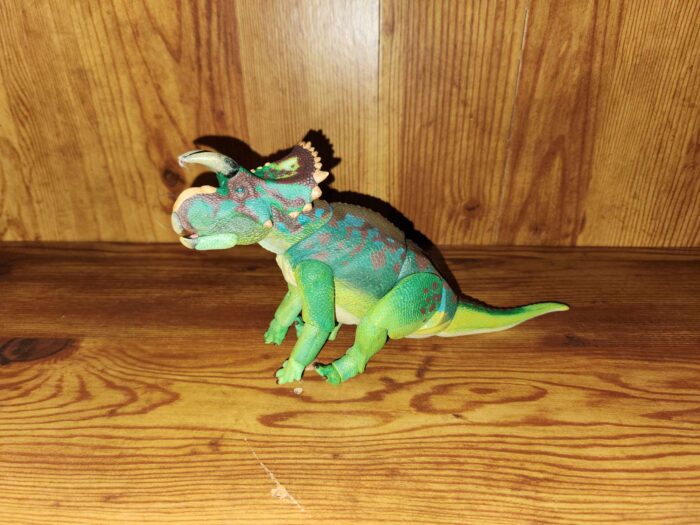
Sorry for the absence. I have been gone for some time to take care of personal issues, but never think that I, Emperor Dinobot, have forgotten about you, my dear readers. As you may know, ceratopsians are my favorite group of dinosaurs, and this is evident not just for my love of BOTM’s ceratopsian line, but because I always…I always imagined them as super-large companions.
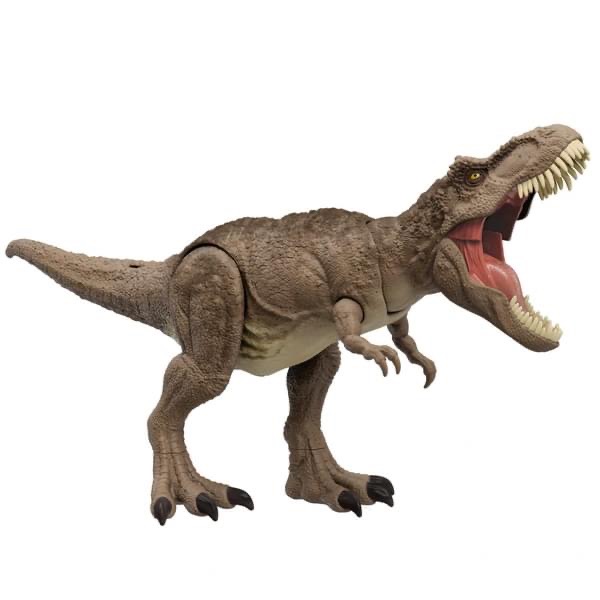
Mattel’s latest take on Tyrannosaurus rex is the “All Out Attack” toy. The colour scheme is sadly nothing to wrote home about, however . . .
. . . this tyrant boasts a brand new ability: extending teeth. Yup, you read that right. The teeth in the upper jaw can extend to nearly twice their length.
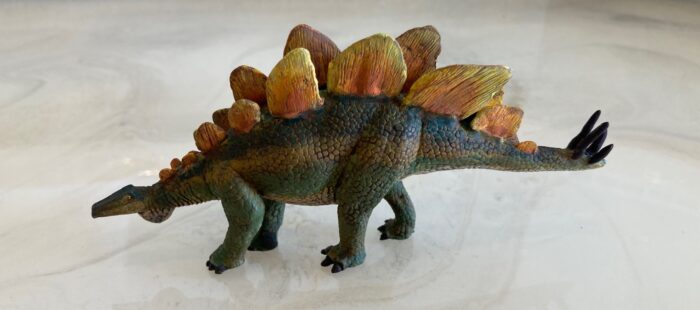
Review and photos by Torvosaurus, edited by Suspsy
Howdy from wonderful, windy Wyoming! Today we’ll take a look at the Honorable Lead Boiler Suit (HLBS) Stegosaurus. Stegosaurus, with the large plates on its back, is probably one of the most recognizable dinosaurs along with Tyrannosaurus, Triceratops, and Brontosaurus.
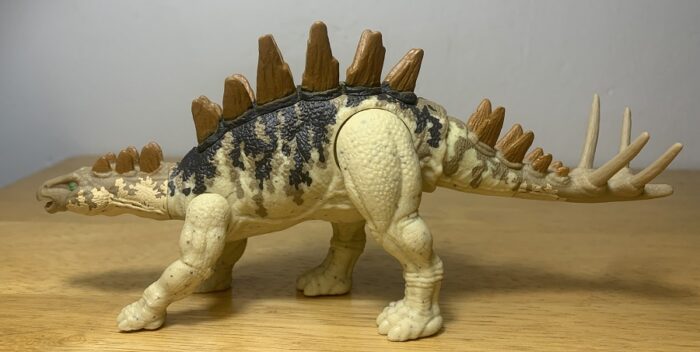
Mattel really likes the Shaximiao Formation, a middle to late Jurassic formation located in China. They’ve released many dinosaurs known from the Shaximiao, including Chialingosaurus, Gigantspinosaurus, Mamenchisaurus, Gasosaurus, and Yangchuanosaurus. Today we’re looking at their latest addition to this assortment, the Tuojiangosaurus, part of Mattel’s Epic Evolution line.